Digital Health Tools That Actually Help
The app store is a graveyard of good intentions. The average person has downloaded a fistful of health apps, water reminders, meditation timers, calorie counters, sleep trackers, and uses almost none of them past the first week. It's tempting to conclude that digital health tools just don't work. But that's the wrong lesson. Some genuinely change behavior and improve health; most don't. The difference comes down to a handful of principles, and once you can spot them, you'll stop wasting time on the ones designed to be abandoned.
Why most health apps get abandoned
The dirty secret of the digital health industry is that engagement metrics, not your health, drive most app design. A startling share of downloaded health apps are abandoned within days, and that's often by design: many are built to capture attention and sell subscriptions rather than to genuinely improve outcomes. Bright streaks, endless notifications, and gamified badges can feel like progress while changing nothing about your actual behavior or body.
The deeper problem is that information alone rarely changes behavior. Knowing you should drink more water, sleep more, or eat better isn't the hard part, doing it consistently is, and an app that simply shows you another chart of your failures doesn't bridge that gap. Tools that pile on data without translating it into a clear, doable next step tend to overwhelm rather than help, and overwhelm leads straight to the uninstall button.
There's also a friction problem. Any tool that demands significant daily effort, manual logging of everything, fiddly setup, complicated interfaces, is fighting an uphill battle against busy, tired humans. The apps that survive are the ones that ask little and give clarity. If using the tool feels like another chore on an already long list, it will lose to the path of least resistance every single time.
The hallmarks of a tool that works
So what separates the genuinely helpful tools from the digital clutter? The first hallmark is that they reduce friction rather than adding it. A tool that makes a healthy behavior easier, automating the tedious parts, simplifying decisions, removing steps, works with human nature instead of against it. The best digital health tools feel less like homework and more like a shortcut, and that's why people keep using them.
The second hallmark is that they turn data into decisions. Measurement is only valuable if it leads to action, so the tools that help are the ones that don't just show you numbers but tell you what those numbers mean and what to do about them. An app that says you slept poorly and therefore suggests an easier workout today is helping; an app that just logs your sleep score and moves on is not. The translation from data to a clear next step is where real value lives.
The third hallmark is that they emphasize trends over noise and honesty over hype. Helpful tools teach you to judge progress by the multi-week direction rather than the daily fluctuation, which keeps you motivated and sane. And they're honest about their limits, no magic, no impossible promises, no claim to override the basics of energy balance and consistency. A tool that respects reality is a tool that respects you, and that honesty is, ironically, what makes it trustworthy enough to rely on.
Measurement tools worth your time
Among health tools, the ones built around honest measurement tend to be the most genuinely useful, because what gets measured tends to get managed. Tracking your body composition, your weight trend, your activity, your sleep, and what you eat gives you the objective feedback loop that vague intentions lack. The catch is that the measurement has to be low-friction and the output has to be clear, or the tool falls into the abandoned pile like all the rest.
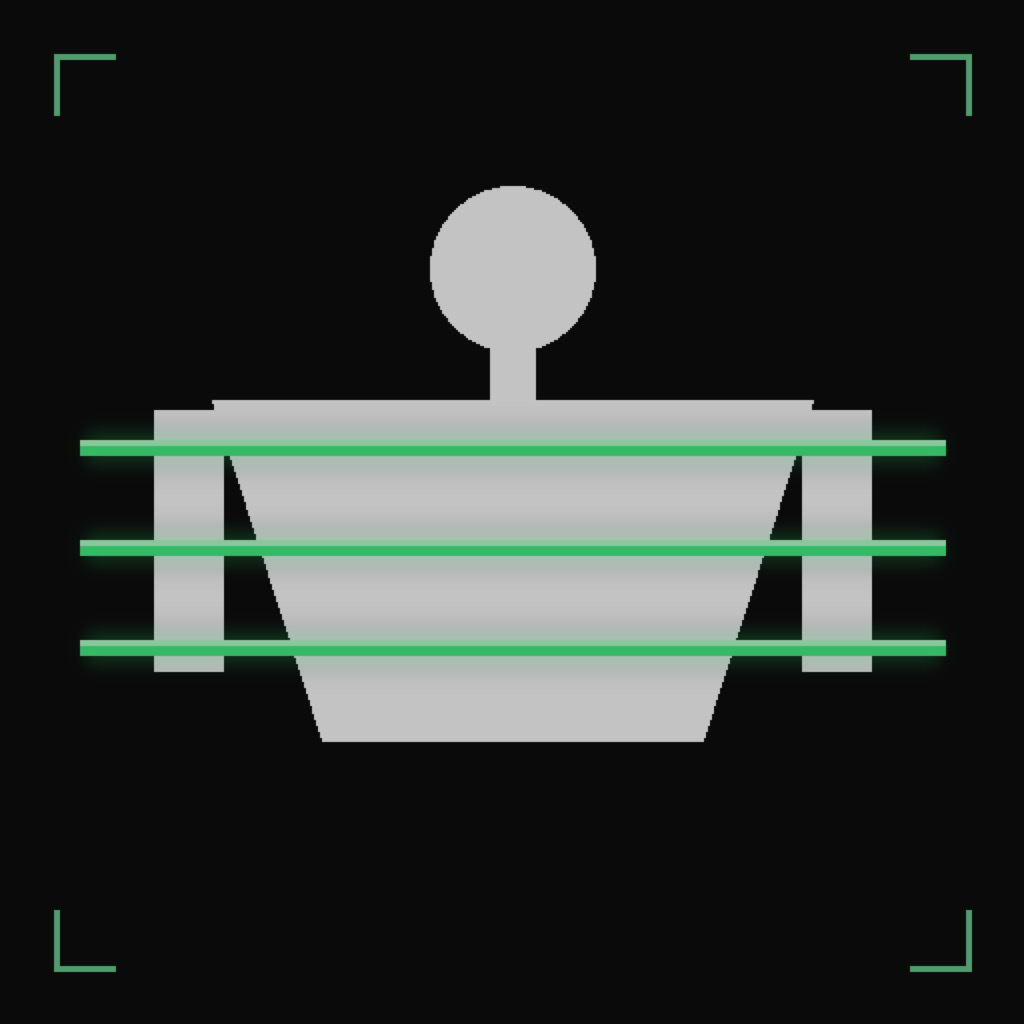
This is where FitScan fits the bill. Its body scan estimates your body composition and measurements from a quick set of phone photos, no special hardware, no appointment, so the measurement that used to require a lab becomes a one-minute habit. Activity and step tracking keeps your daily movement in view, and the FitScore distills your overall progress into a single number you can actually act on, rather than a confusing spread of metrics. The point isn't more data; it's the right data, captured easily and presented clearly.
What makes a measurement tool genuinely help, rather than just inform, is consistency of method and a focus on the trend. Scanning or weighing under steady conditions and judging the direction over weeks turns raw numbers into real insight. A good tool nudges you toward that disciplined habit instead of feeding you anxiety-inducing daily noise, and that's the quiet difference between a measurement tool that changes your health and one that just decorates your home screen.
Get told what to change, and when
FitScan’s coach reads your logs and adjusts the plan. Free on iPhone.
Download FitScan ID on theApp StoreGuidance and coaching tools
Beyond measurement, the other category that can genuinely help is guidance, tools that take your situation and tell you what to do next. The value here is the same translation we keep coming back to: turning data and goals into a concrete plan. A tool that builds you a sensible workout from your equipment and experience, or that adjusts your targets as you progress, removes the paralysis of not knowing what to do, which is one of the biggest barriers to actually starting.
The key is that good guidance adapts. Static, generic advice goes stale fast because your body and life keep changing, your needs drop as you lose weight, your strength rises as you train, your schedule shifts. A tool that updates its recommendations based on your real results, suggesting you adjust intake when progress stalls or dial back intensity when you're run down, behaves like an attentive coach rather than a printed pamphlet. That adaptability is what keeps the guidance useful month after month.
FitScan's smart coaching and workout generator are built on this principle: take what your tracking reveals and turn it into a clear, doable next step, then keep adjusting as you change. Crucially, the best guidance tools never pretend to replace your effort or your judgment, they make good decisions easier and let you get on with the work. Used well, this kind of guidance closes the gap between knowing what's good for you and actually doing it.
Making any tool actually work for you
Even the best digital health tool is useless if you abandon it, so the final piece is about how you use these tools, not just which you pick. Start with one, not five. The instinct to download a separate app for every metric guarantees fragmentation and overwhelm, and overwhelm is what kills habits. Choosing a single tool that covers the essentials, ideally an all-in-one, removes most of the reasons people quit and gives your data a coherent story.
Then lower your expectations of any single day and raise your commitment to the trend. The honest path to better health is unglamorous and slow: consistent measurement, steady habits, and patience with progress that compounds over months. A tool helps most when you use it to reinforce that consistency, watching the multi-week direction, celebrating small wins, getting back on track after a slip, rather than chasing a perfect streak or a dramatic overnight change. Never miss twice beats never miss at all.
This is exactly what FitScan is built to support: an all-in-one tool that makes measurement effortless with the body scan, keeps your activity and habits in view, and rolls everything into a single FitScore so you can see your real trajectory without juggling apps or drowning in data. The genuinely helpful digital health tool isn't the one with the most features, it's the one you'll still be using in six months because it made the right thing easy. Pick that tool, commit to the trend, and let FitScan turn your good intentions into progress you can actually see.
Related feature: Smart Coach →